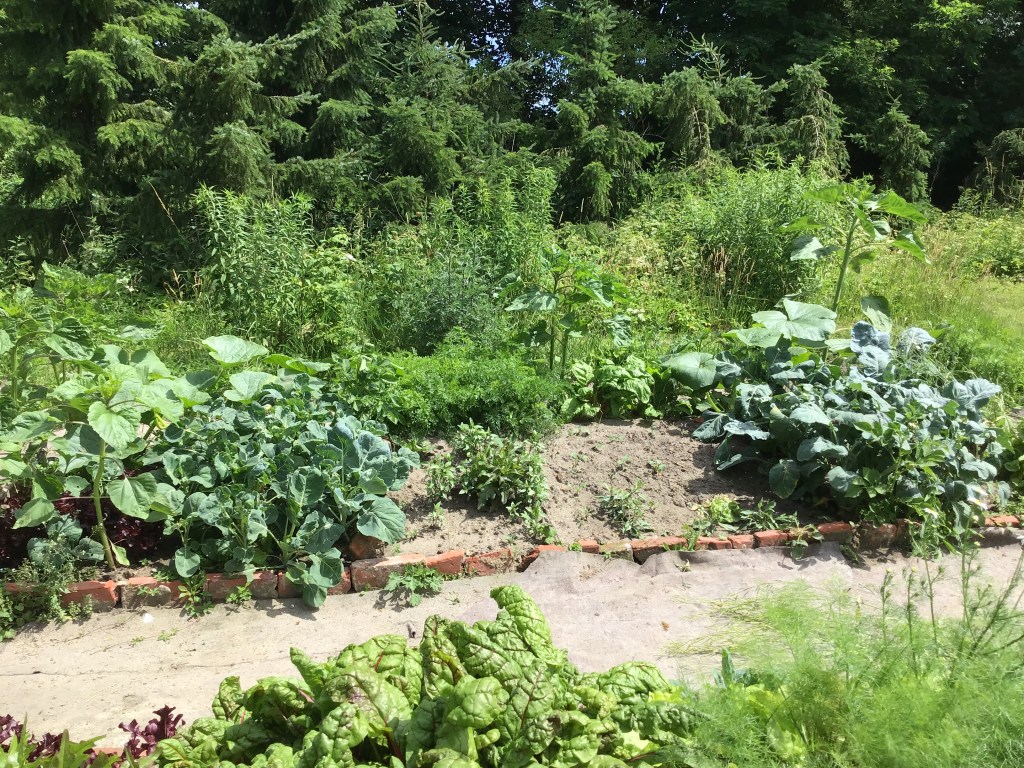
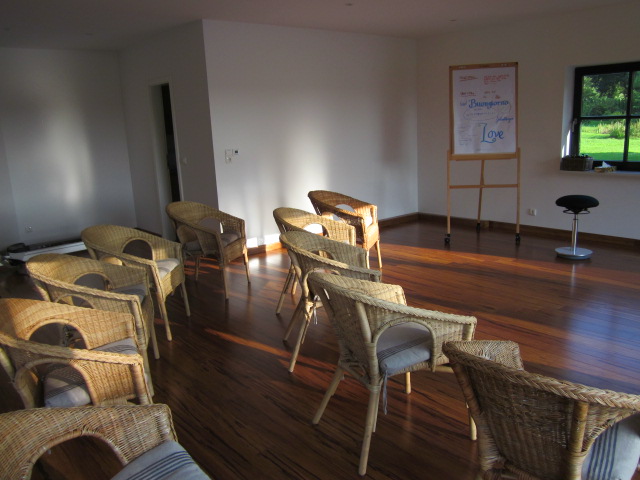
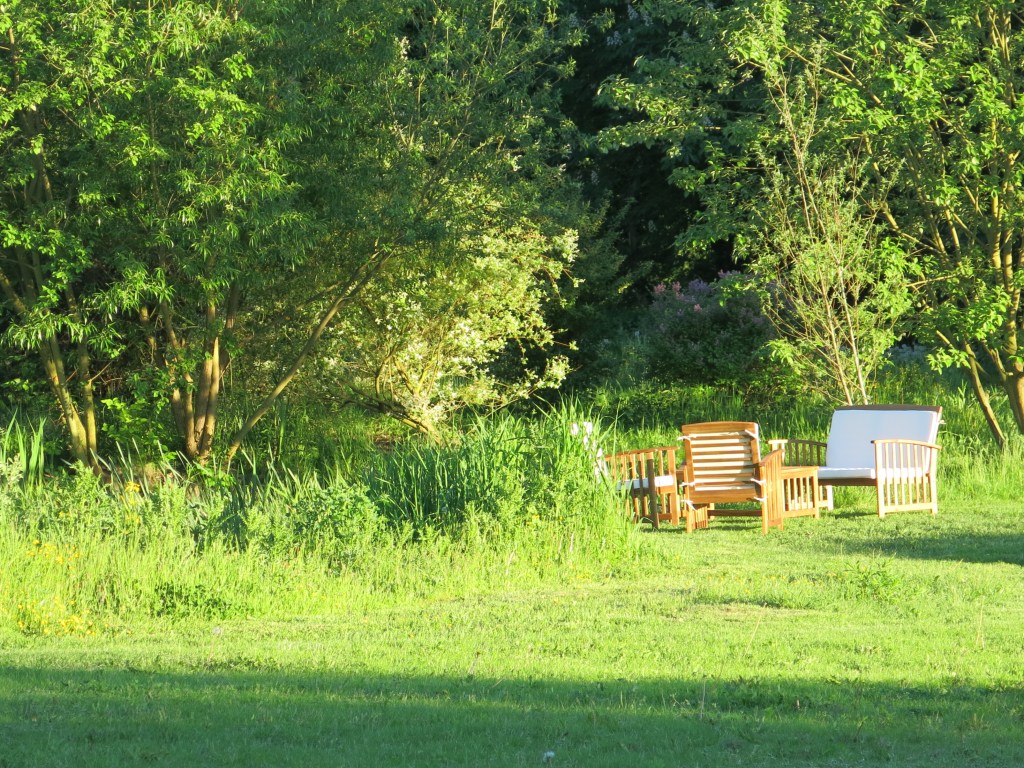
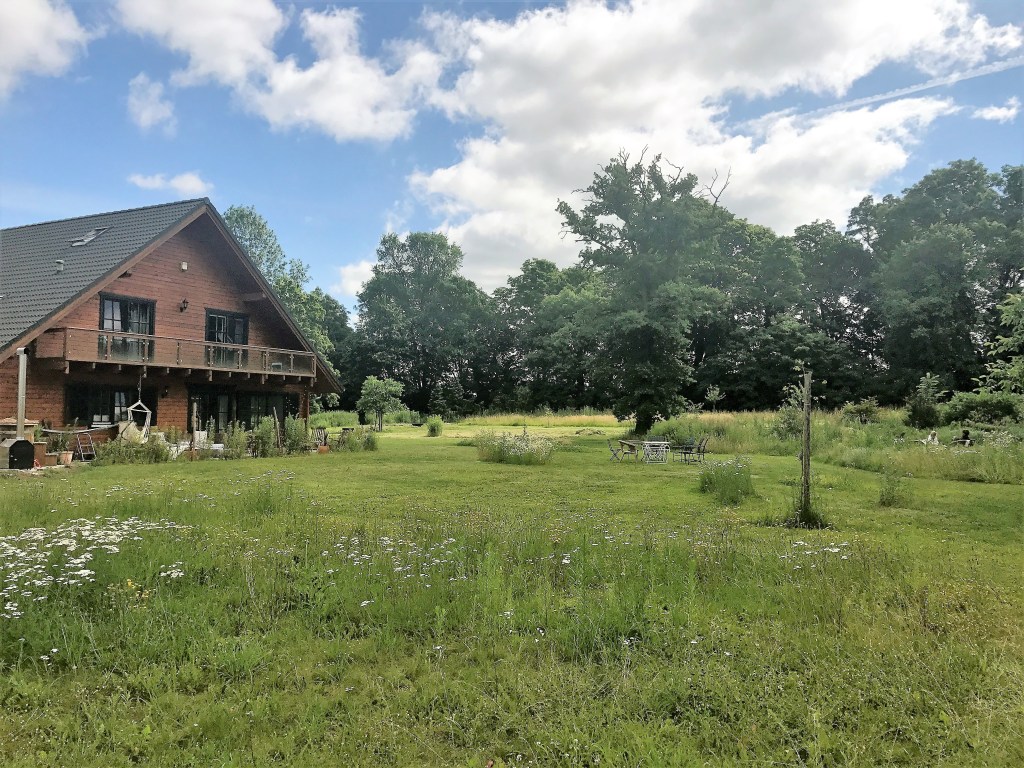
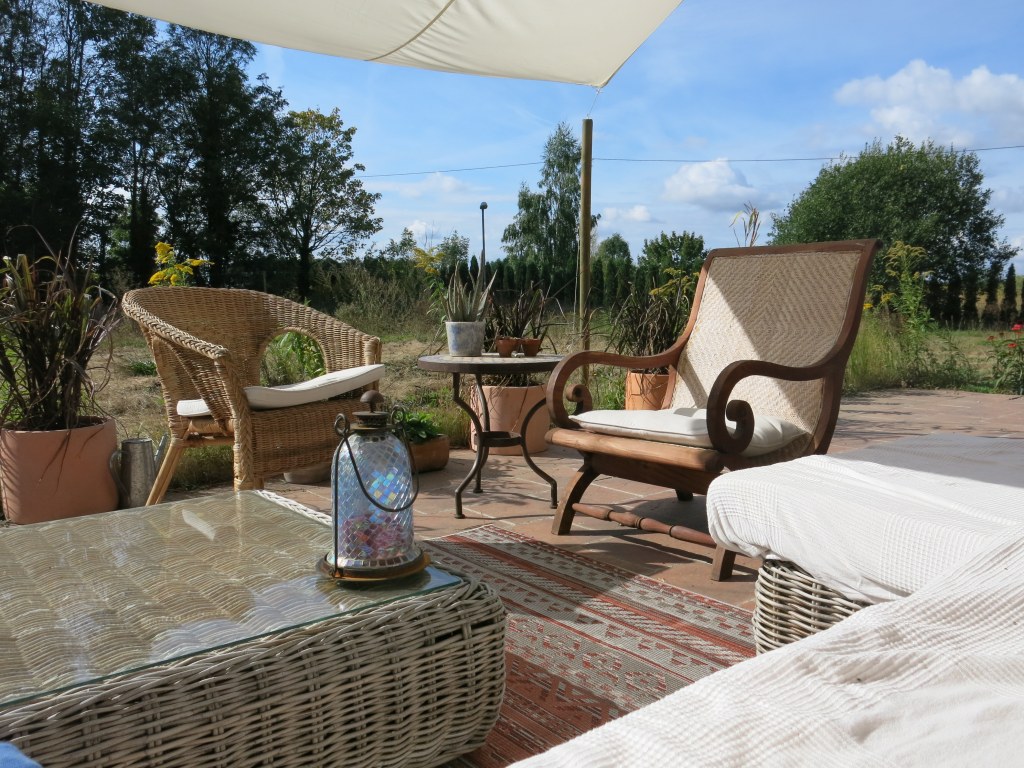
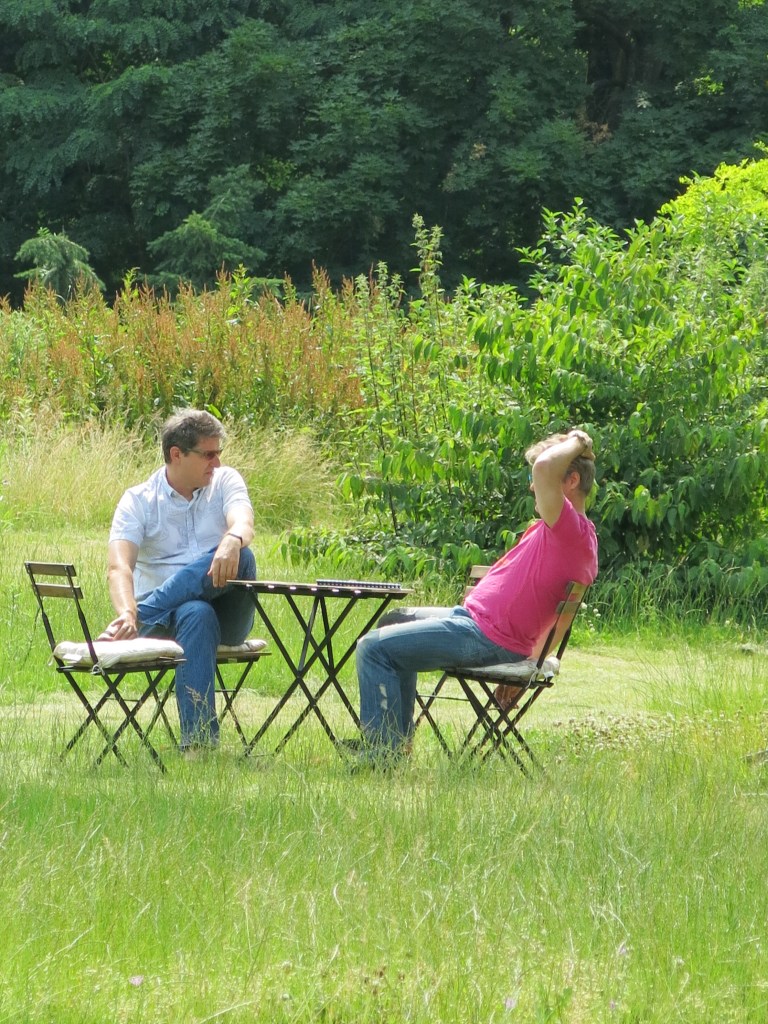
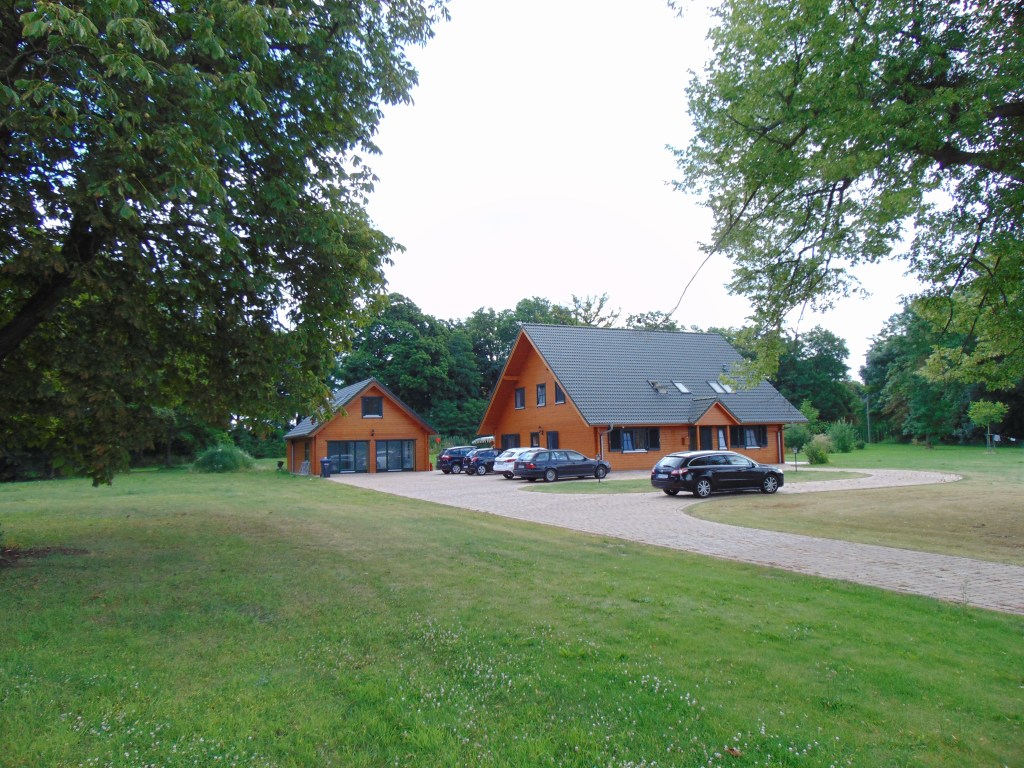
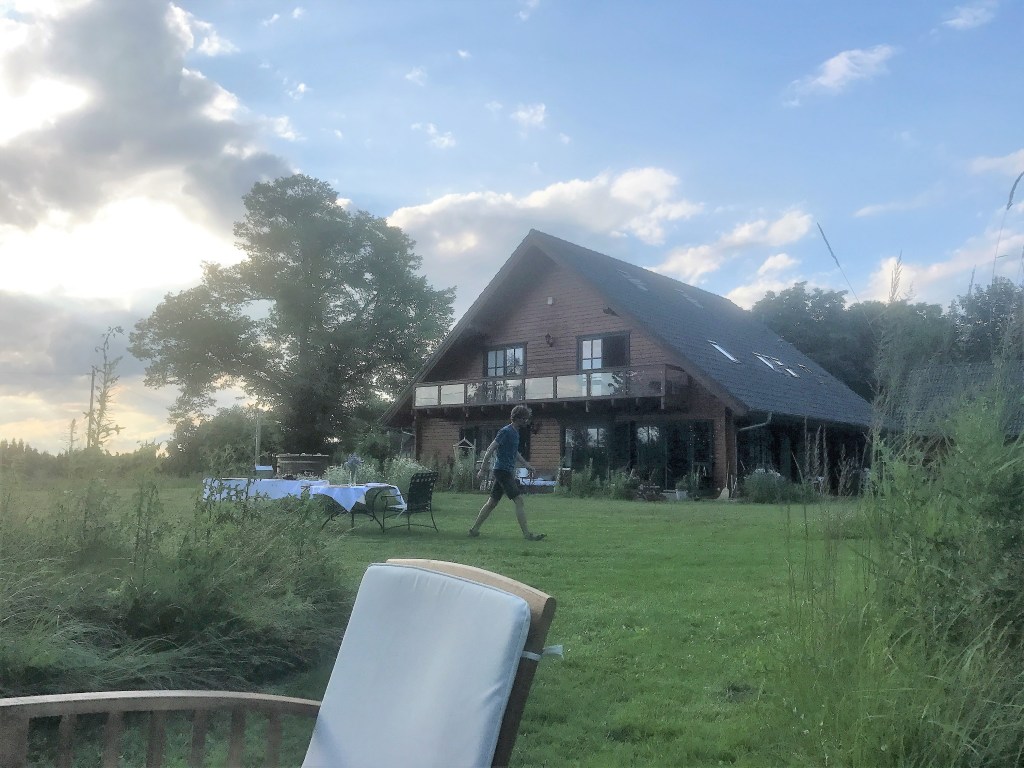
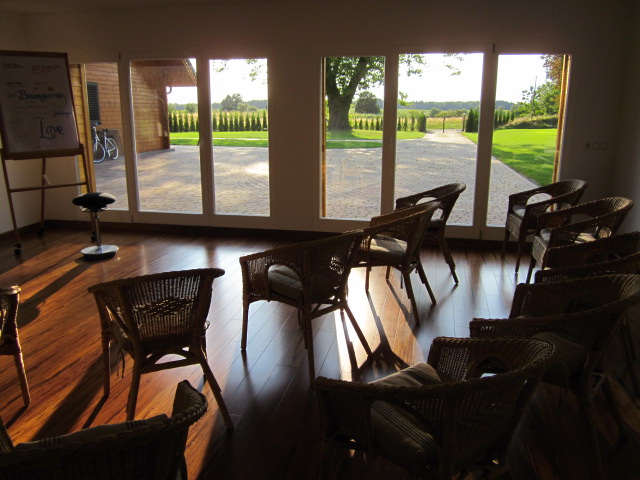
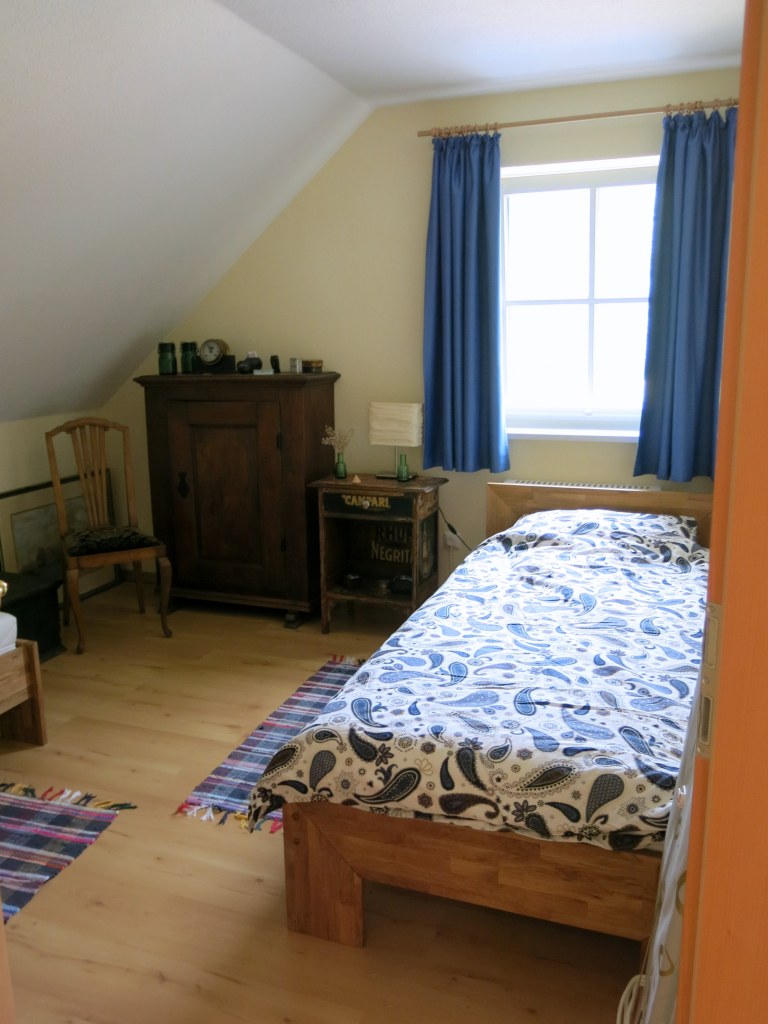
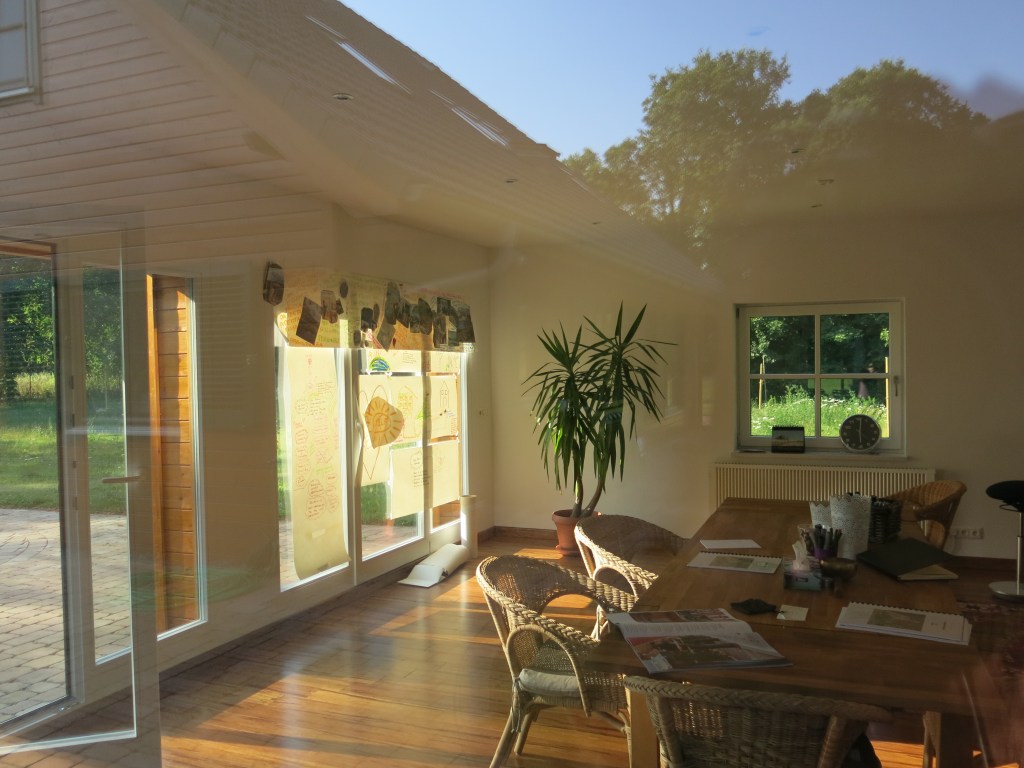
House Schmagerow has 4 double or twin rooms, 3 single rooms, and a large living and dining room. Bathrooms are mostly shared — we have 6 — so the house sleeps 11. For larger groups, we use accommodation nearby. The seminar room is in the adjacent building, with fast fibre internet throughout. It comfortably fits 15 people, and has held as many as 25. The room is equipped for serious facilitation work: large whiteboards, flipcharts and a full set of facilitation materials. Breakout work can move into the garden, the living room, or smaller spaces nearby, depending on the group.
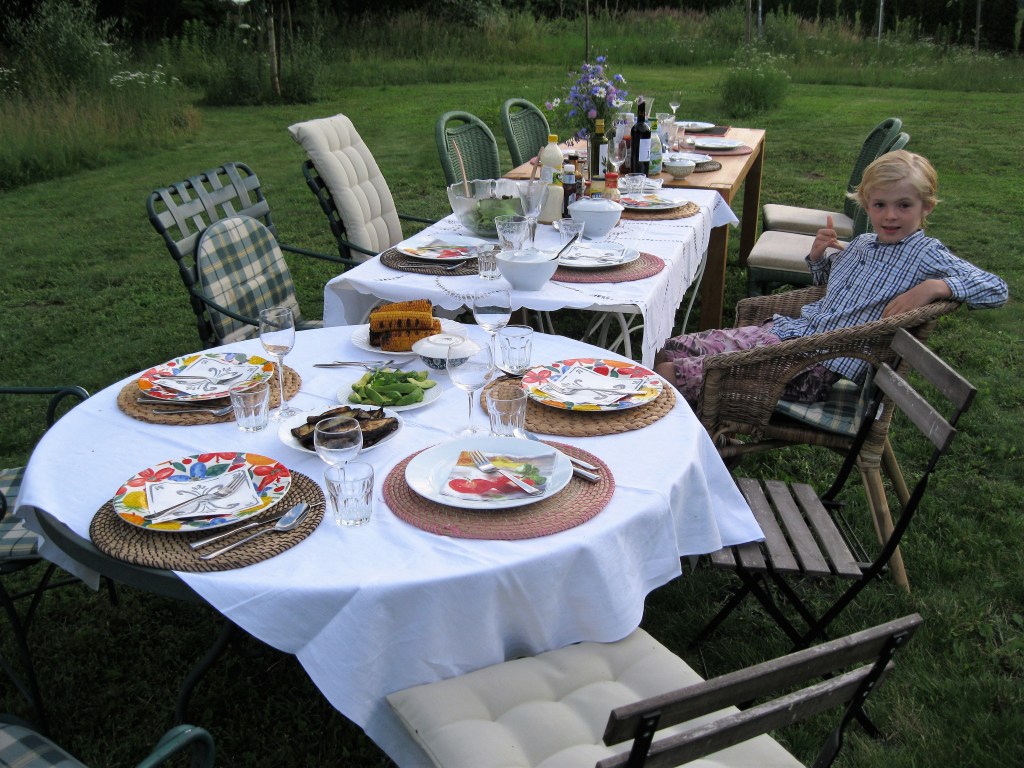
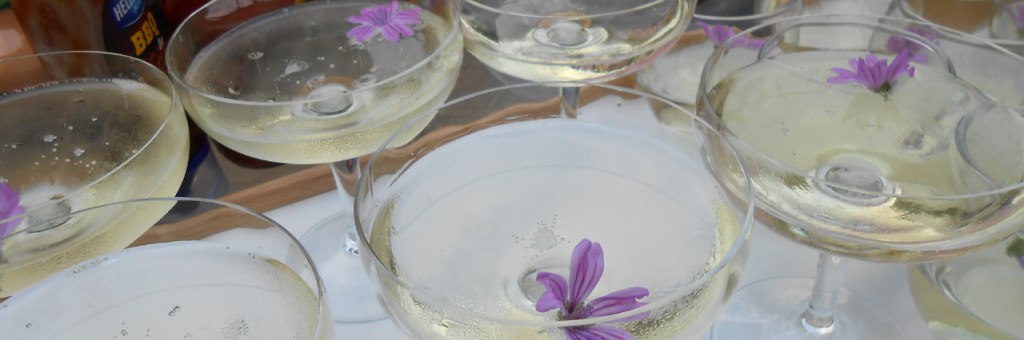
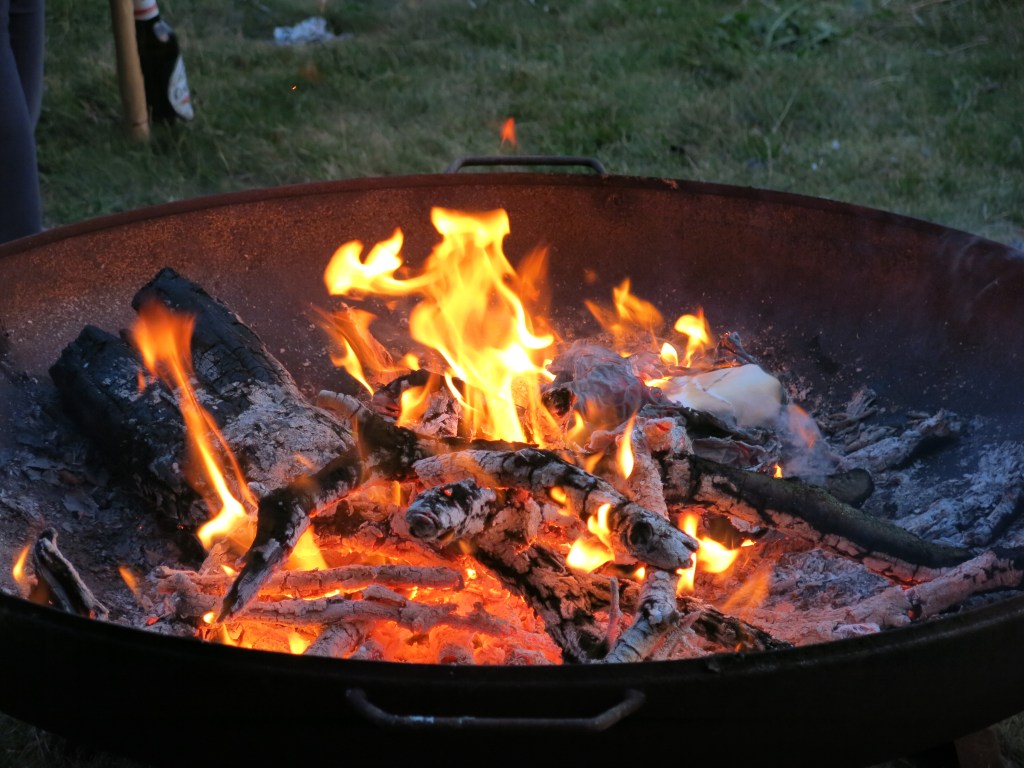
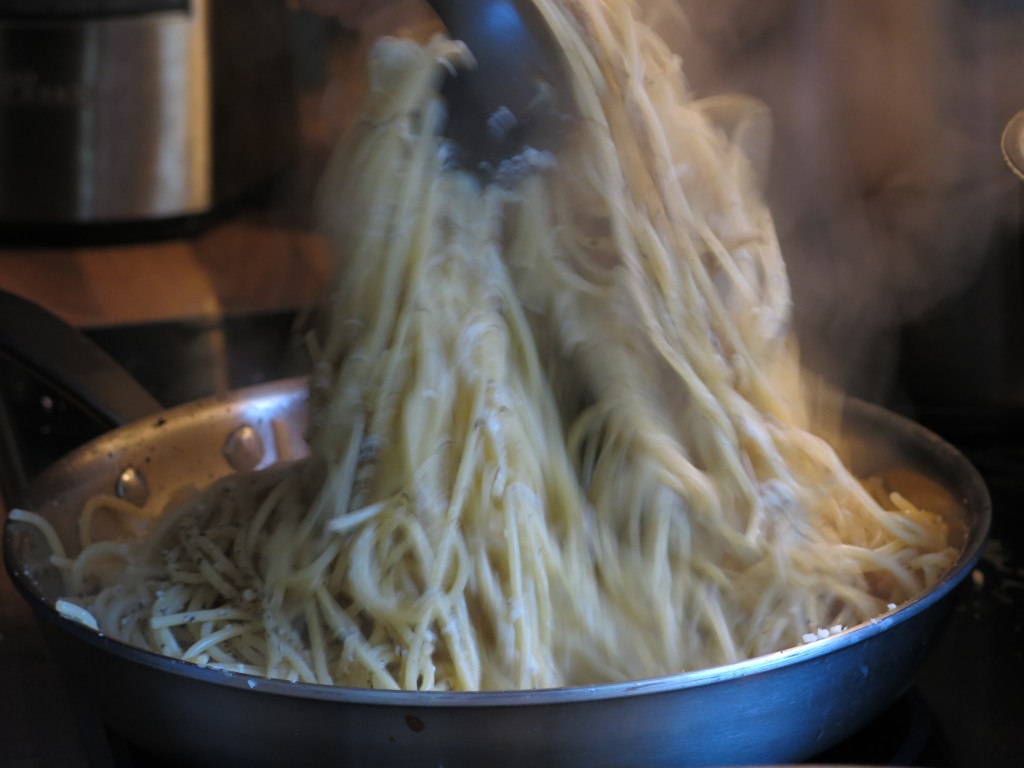
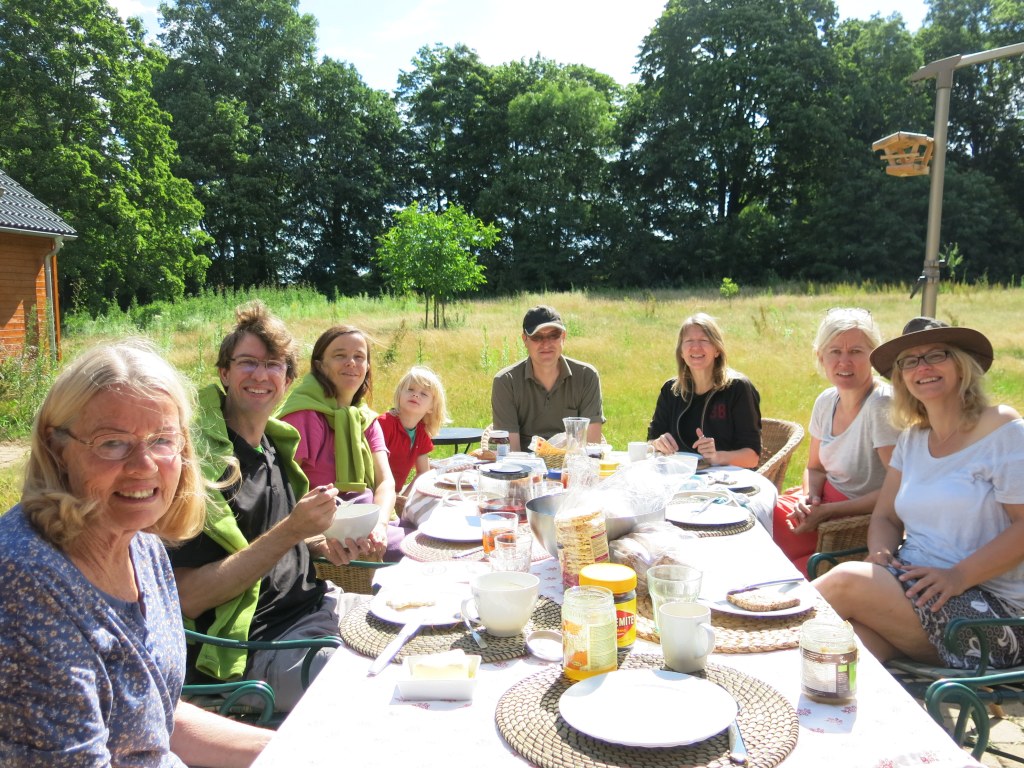
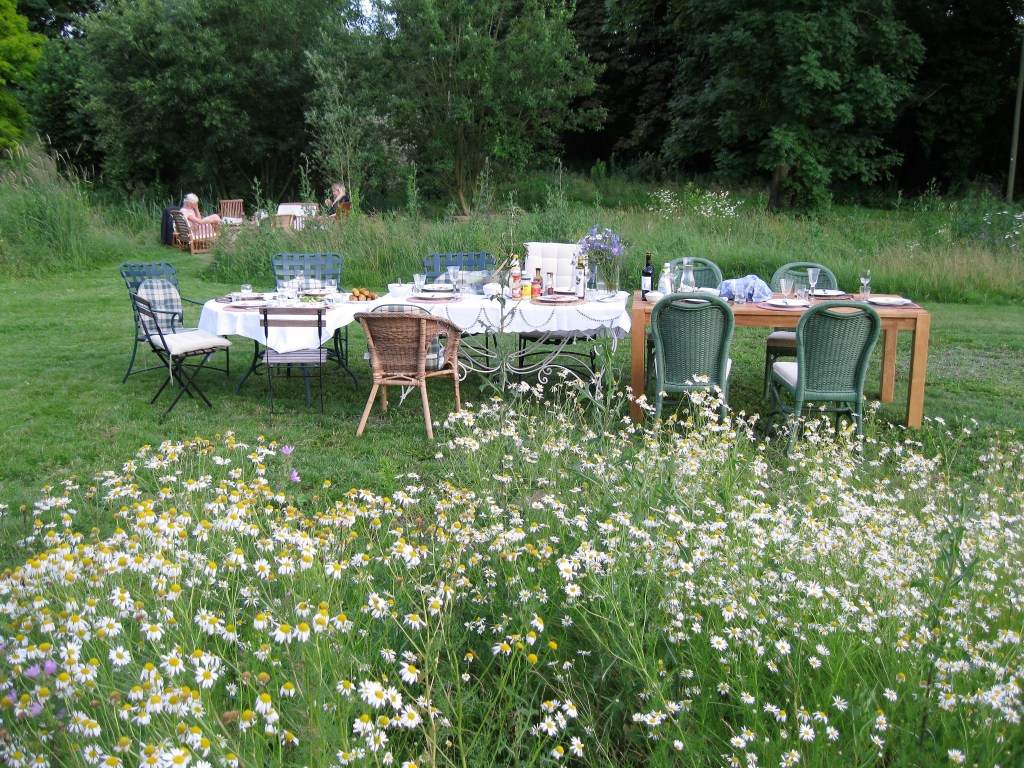
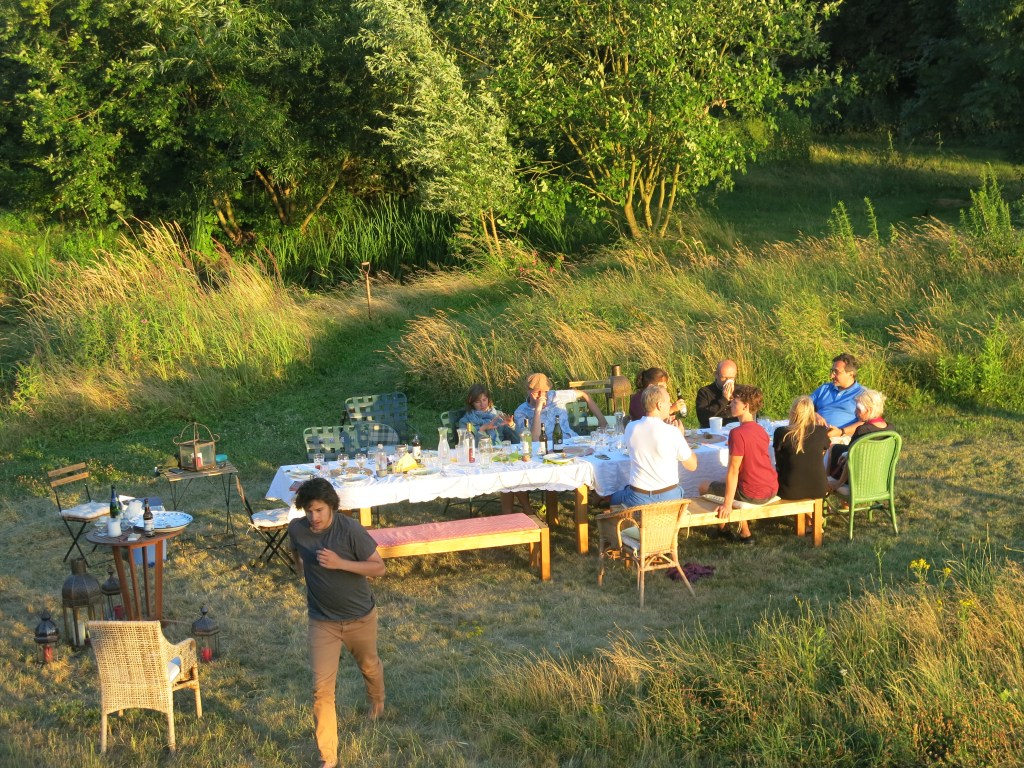
The house is booked exclusively — there are no other guests on site during your stay. All modern conveniences are available, including a wood-fired sauna and a hot tub in the garden, an open fireplace, and a large grill. Catering can be arranged on request. Many groups choose instead to cook together, which has become something of a feature in itself: a way for people to get to know each other outside the workshop room.
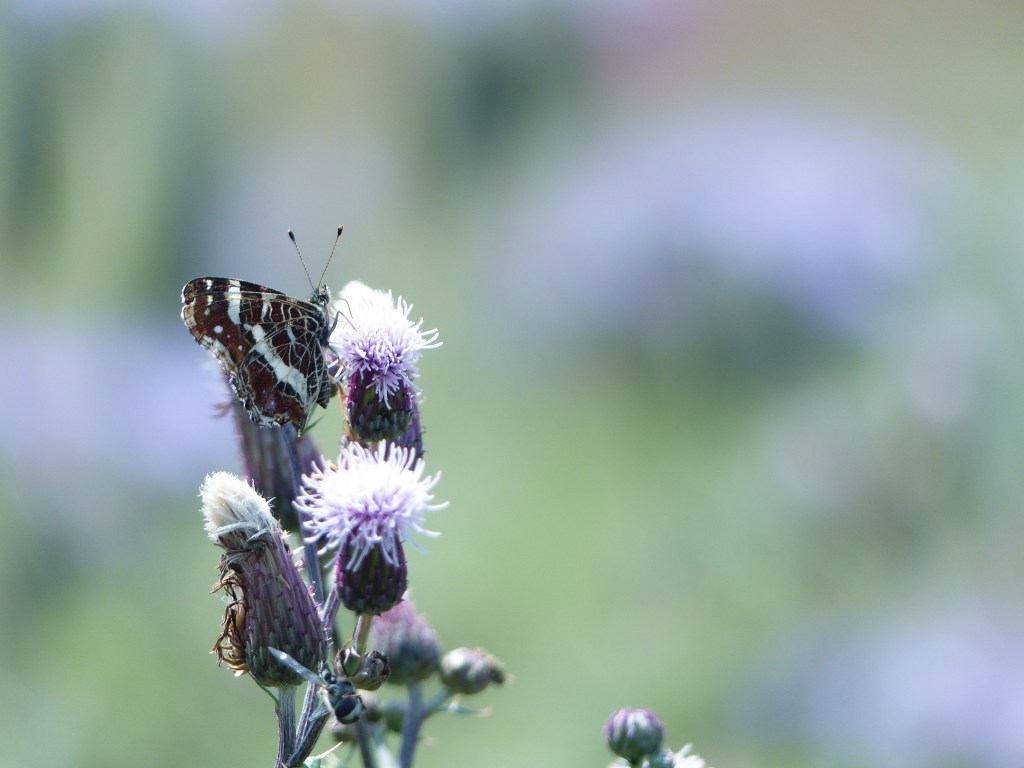
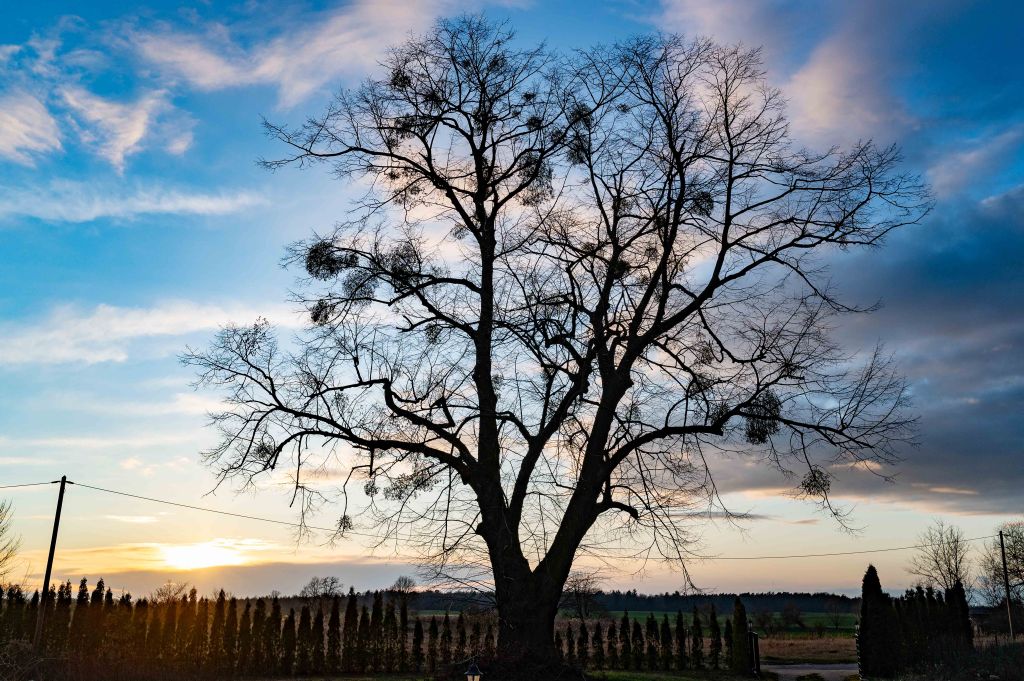
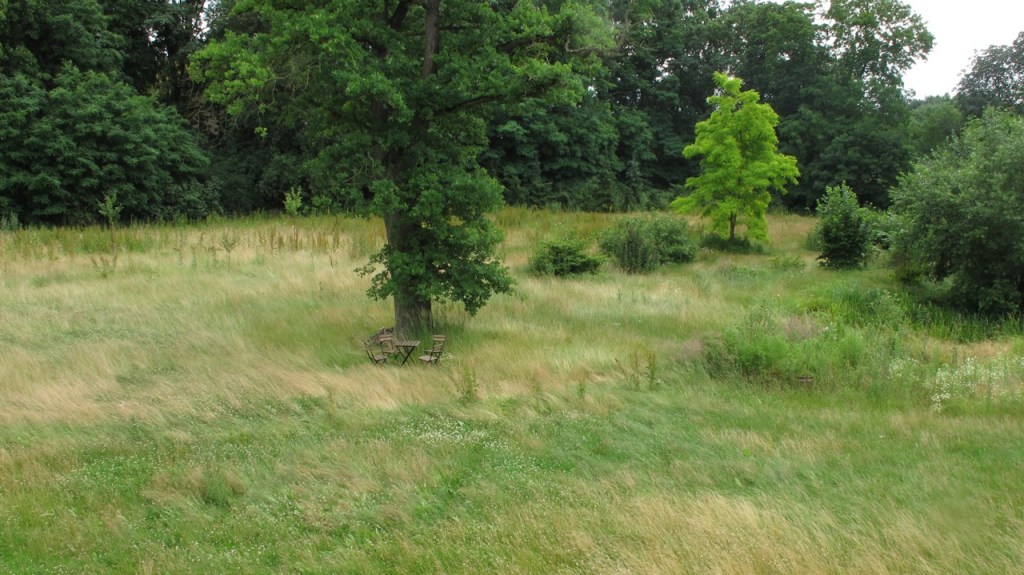
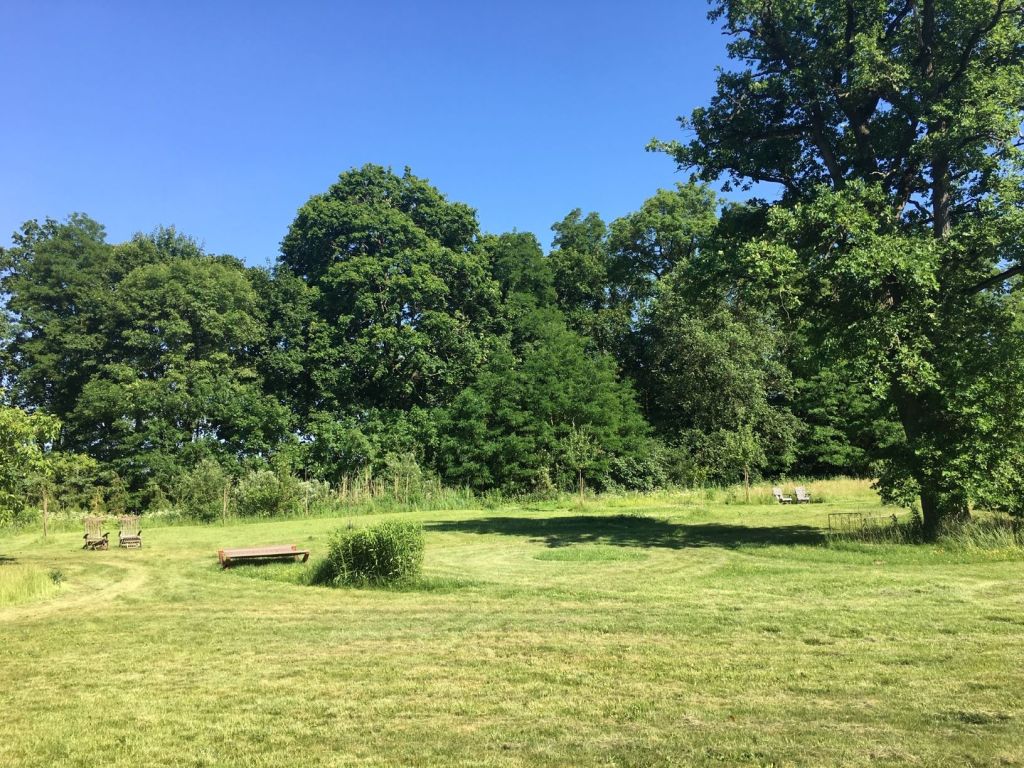
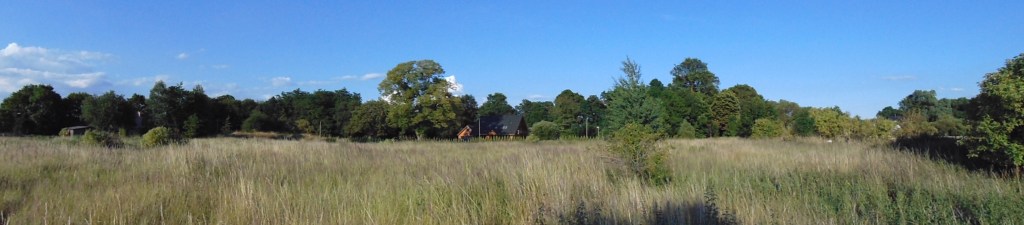
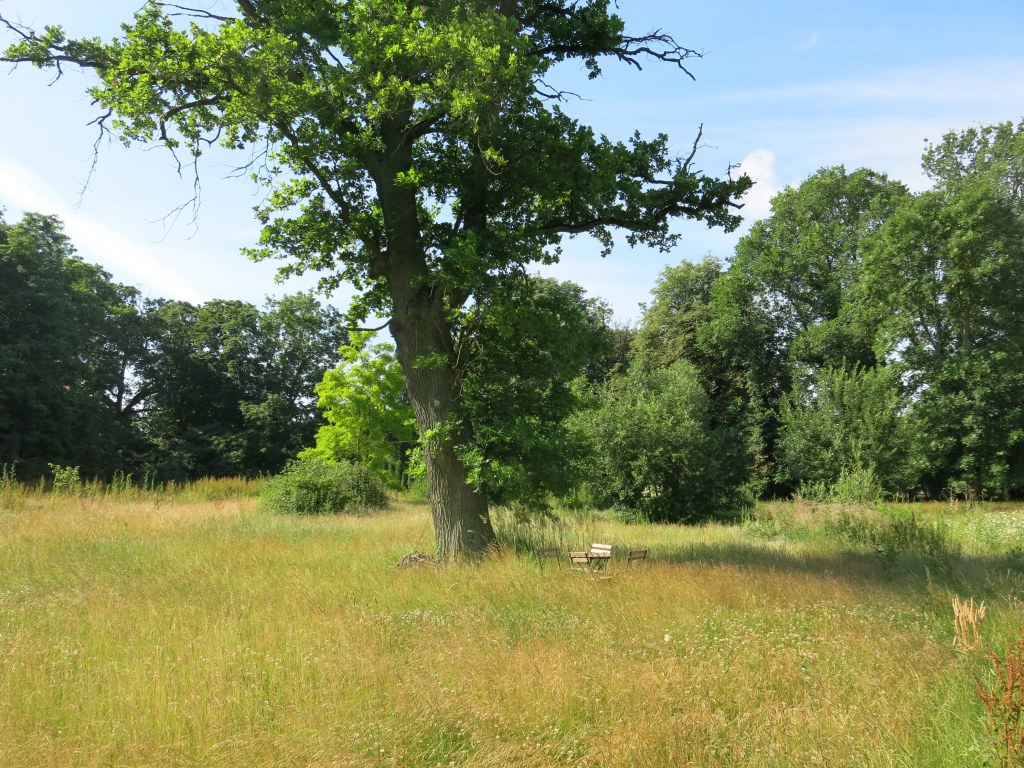
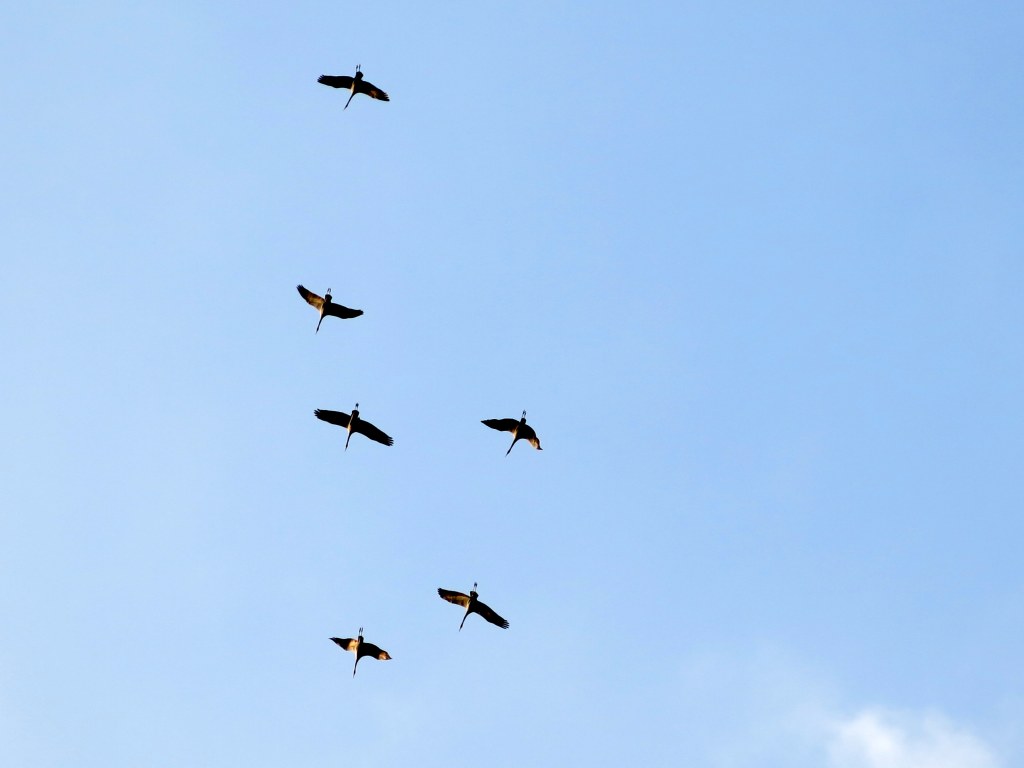
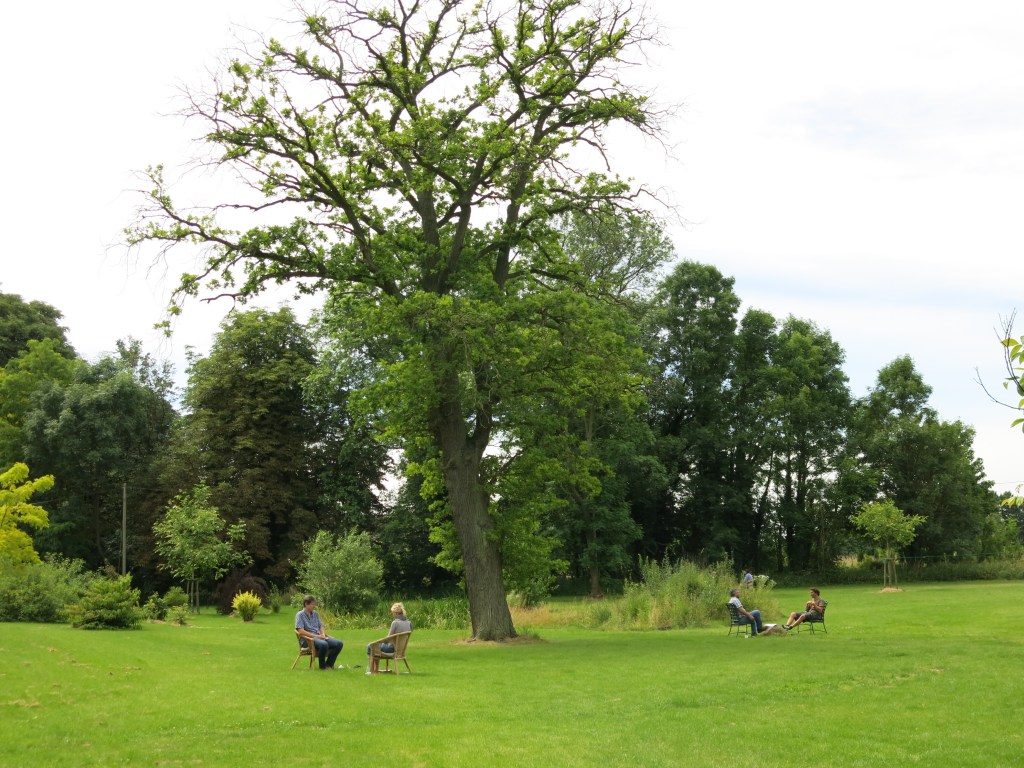
The property lies in the middle of beautiful landscapes with rolling fields and hedges, with abundant wildlife throughout the year: geese, cranes, storks, deer, foxes, eagles and kites.
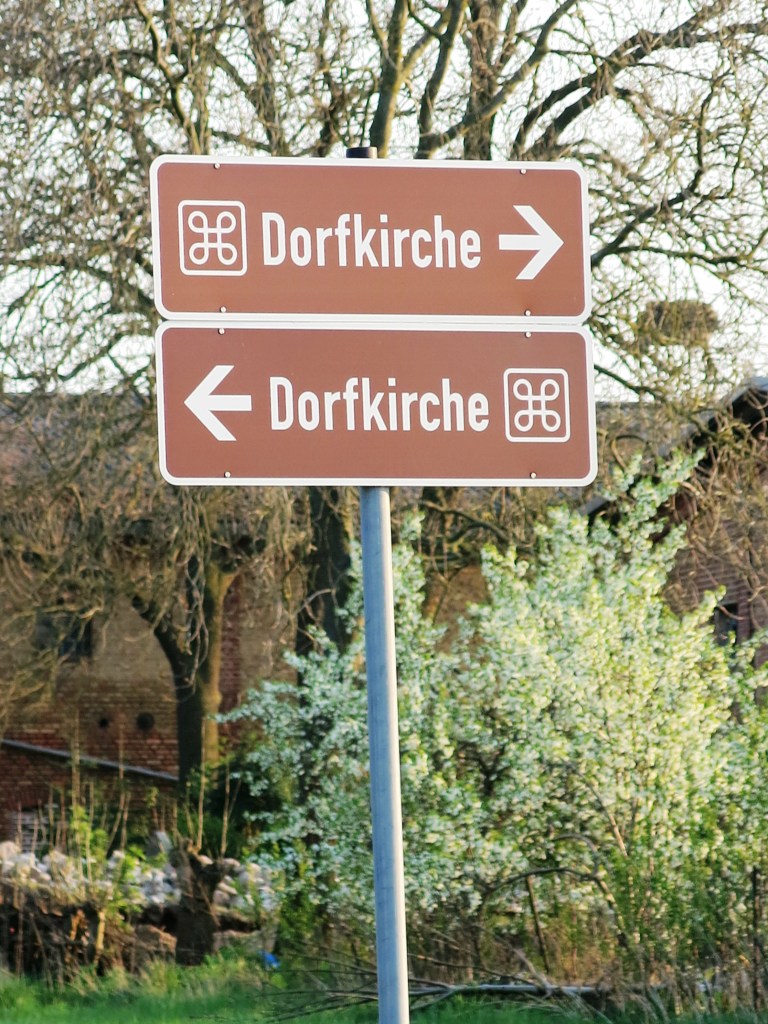
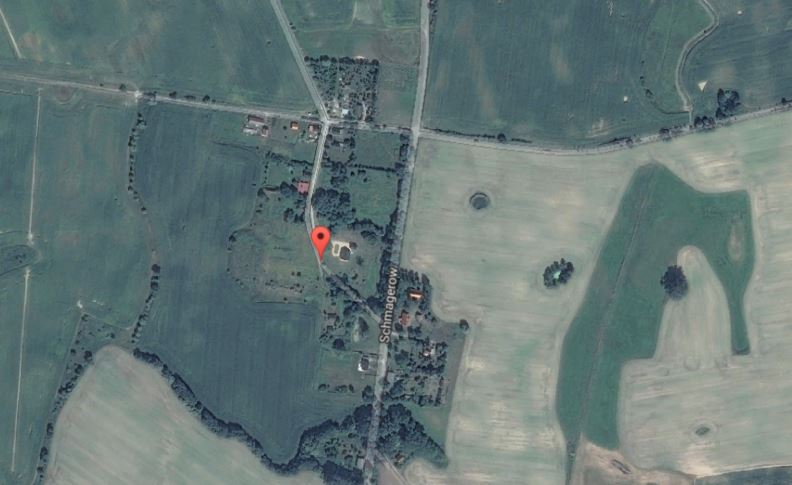
Your navigator will find the place under “House Schmagerow” or Schmagerow 6, 17321 Ramin, Germany. There are train stations nearby in Grambow, Löcknitz, Tantow, Pasewalk and Szczecin (PL). The nearest airports are Berlin (DE) and Szczecin (PL). We can help arrange transport.
History
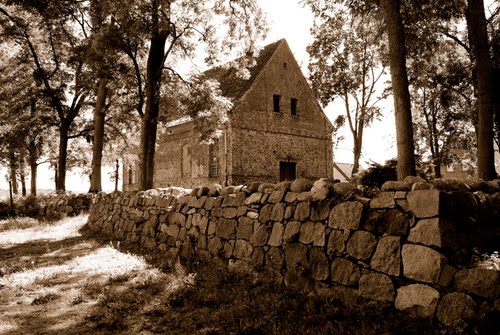
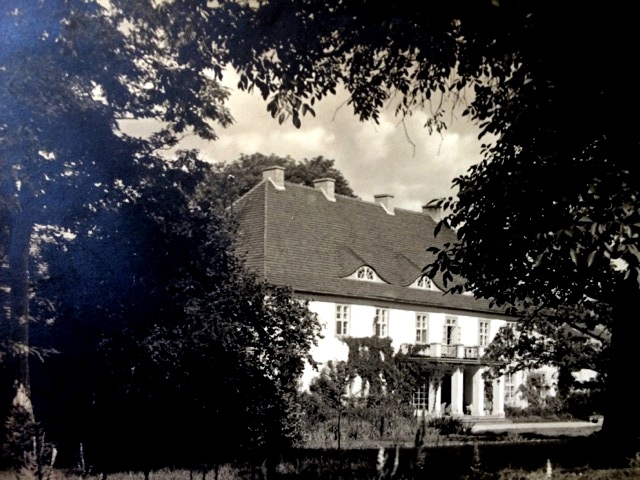
The place was home to the von Ramin family for centuries until the early 1900’s, when it was bought by my stepfather Gerd Kelch’s family. House Schmagerow marks the exact location of a former Manor House. It was the centre of a typical ‘Gutshof’ an agricultural estate that consisted of stables for cattle, sheep (300) and storage, a Church, a schoolhouse, and quarters for workers and farmhands. I was told that about 40 people were employed to manage a property of about 400 hectares.
Most of the buildings that made up the agricultural operation collapsed due to neglect and disrepair in the 70’s and later, a common lot to homes confiscated by the communists in the so-called ‘Landreform’ after the war. Some property was bought back after the reunification of Germany by my stepfather, and a new house was built in 2008. After his death, my partner and I took on the task of hosting family and friends, glad to carry on a hospitable tradition. I also owns 65 hectares of agricultural land around the property, which we are slowly turning to more regenerative use, building up soil and biodiversity.